OEM and private label: the next step after a successful pilot
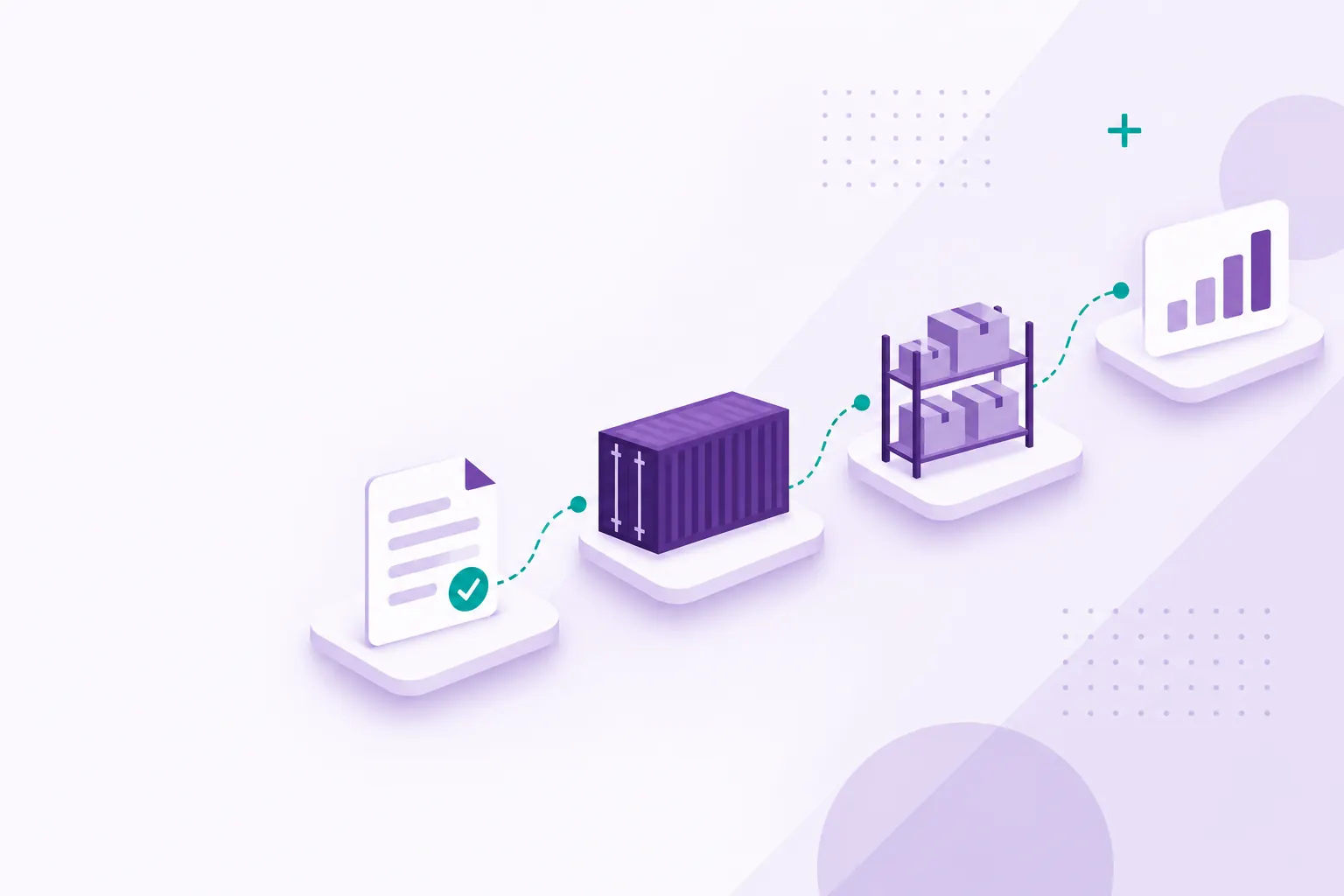
After a pilot proves demand, we can take a second step with your factory: production for Egypt under the UltraTeb brand (OEM or private label), with regular volume orders from us. EDA treats a new trade name as a new product — changing the trade name of a registered device cancels its registration — so each UltraTeb-branded product family needs its own registration, typically 6–12 months. Branding does not change origin: an imported private-label product does not get the 15% local-product tender preference.
UltraTeb Market Access is a zero-upfront-fee route into Egypt's medical market: UltraTeb registers, imports, markets, stores and sells your product, shares the risk, and pays you when it sells.
What does OEM with UltraTeb involve?
-
Proven demand first
OEM follows a pilot that sold. We start from real sales data, not a forecast.
-
Product and packaging spec
We define the product, pack sizes, Arabic and English labels and instructions with your team.
-
Registration
We register each UltraTeb-branded product family with EDA, with your factory's certificates.
-
Volume orders
Regular orders planned from Egyptian demand and our tender pipeline.
-
Import, sales and reporting
Everything else works as in the rest of the programme.
What does EDA require for a private-label device?
| Fact | Value | Source | As of |
|---|---|---|---|
| New trade name | Changing the trade name of a registered device cancels its registration; a new registration is required | edaegypt.gov.eg | |
| Legal and actual manufacturer | EDA distinguishes the legal manufacturer (places the device on the market under its name) from the actual manufacturer (makes it on the legal manufacturer's behalf); certificates must name both | edaegypt.gov.eg | |
| Free Sale Certificate | Must show the trade name, codes and sizes, and the legal and actual manufacturer | edaegypt.gov.eg | |
| Labels | Manufacturer and importer contact details must appear on the labelling | edaegypt.gov.eg | |
| Tender preference | Only for products with local components above 40% of cost; branding alone does not qualify | state.gov | 2025 |
| Worldwide searches for 'OEM medical devices' | 320 per month | ads.google.com |
The search figure is UltraTeb's own Keyword Planner measurement on 2026-09-25.
Last verified:
Which documents does the factory provide?
- A supply agreement for the private-label products, legalised where EDA requires it
- ISO 13485:2016 certificate from an accredited body
- CE certificate or Declaration of Conformity covering the UltraTeb trade name and product codes
- A Free Sale Certificate listing the UltraTeb trade name
- For factories in non-reference countries: stability, biocompatibility (ISO 10993) and sterilisation validation data where they apply
- Label and instructions-for-use artwork showing the legal and actual manufacturer
Who is the legal manufacturer?
In the usual route, your factory stays the legal manufacturer and 'UltraTeb' is the trade name on the product. This keeps your quality system and certificates in place and is the realistic route for imported products.
Why only after a pilot?
Because a private label means a new registration and new packaging. That investment only makes sense when sales have shown that Egyptian buyers want the product at the price.
“A private label only makes sense after the market has proven it wants the product.” — Mohamed Dabees, Founder, UltraTeb
Frequently asked questions
Can we start directly with private label?
We start with a pilot of your own-brand product. Private label follows when the pilot has shown demand, because it needs its own registration and packaging.
Does a private-label product need a new EDA registration?
Yes. EDA says that changing the trade name of a registered device cancels its registration, so a new registration is filed for each branded product family.
Does a private-label product win the local tender preference?
No. The 15% preference is for products with local components above 40% of cost. An imported product keeps its origin whatever the brand.
We are an OEM factory. Can we apply?
Yes. Choose 'exporter, trading house or OEM factory' in the application form. We usually begin with a pilot of products you already make and certify.
Start with a pilot — OEM can follow
Zero upfront fees. We handle registration, import, customs, duties, warehousing and selling. You're paid when we sell.